
Suicide is defined as a ‘deliberate attempt to kill oneself, where the outcome is fatal’ (Gulati, et al. 2014). Suicide is the result of living in a state of depression or feeling of loneliness that makes it difficult for the victim to seek necessary help.
Suicide is a social phenomenon that has become the leading cause of ‘death among 15-29 year olds globally’ (World Health Organisation, 2019). Unfortunately, it is a state of wellbeing that is not always recognisable, where an individual may appear happy but internally they are miserable and looking for out. This silent killer is an act to escape the realm of a horrible reality and end their suffering at once. “In the past 45 years suicide rates have increased by 60% worldwide” (Befrienders Worldwide, 2012) and a trend of increasing suicidal rates are becoming most prevalent in developing countries.
Why is suicide claiming more lives of individuals who live in developing countries?
“According to the WHO Mortality Database, 85% of suicides in the world occur in low and middle income countries” (World Health Organisation, 2003). Perhaps this is due to the globally inequality that unfairly shapes lifestyles in a whole range of interrelated areas, such like mental health. Marginalising developing countries from resources that prompt a healthy and happy lifestyle, will interfere with a populations overall mental wellbeing.
Possible reasons leading to Suicide in developing countries:
- Inadequate access to basic needs e.g. water, food, shelter
- Pressures from a slow economy
- Low income/wages
- Embarrassment of status and identity
- Lacking suicide prevention resources
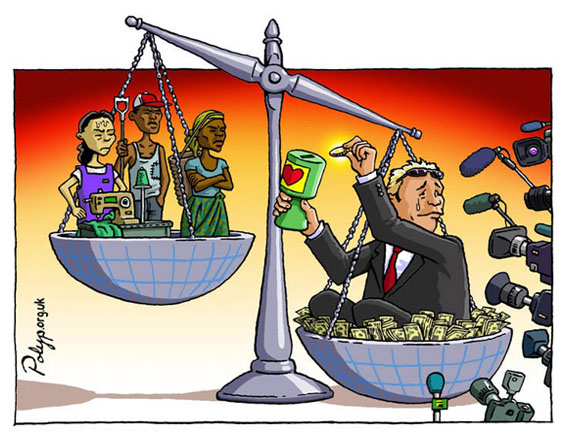
Delgado (2014) states “individuals with low educational and income levels, have the highest risk of committing suicide. The circumstances they live in as well as the opportunities they have to improve their wellbeing are the best when there are low social differences” (Delgao, D, 2014). So, it is the eradication of social exclusion and the implementation of globally equality that will have a pre-found impact on decreasing suicide rates and better quality of life for individuals in developing countries.
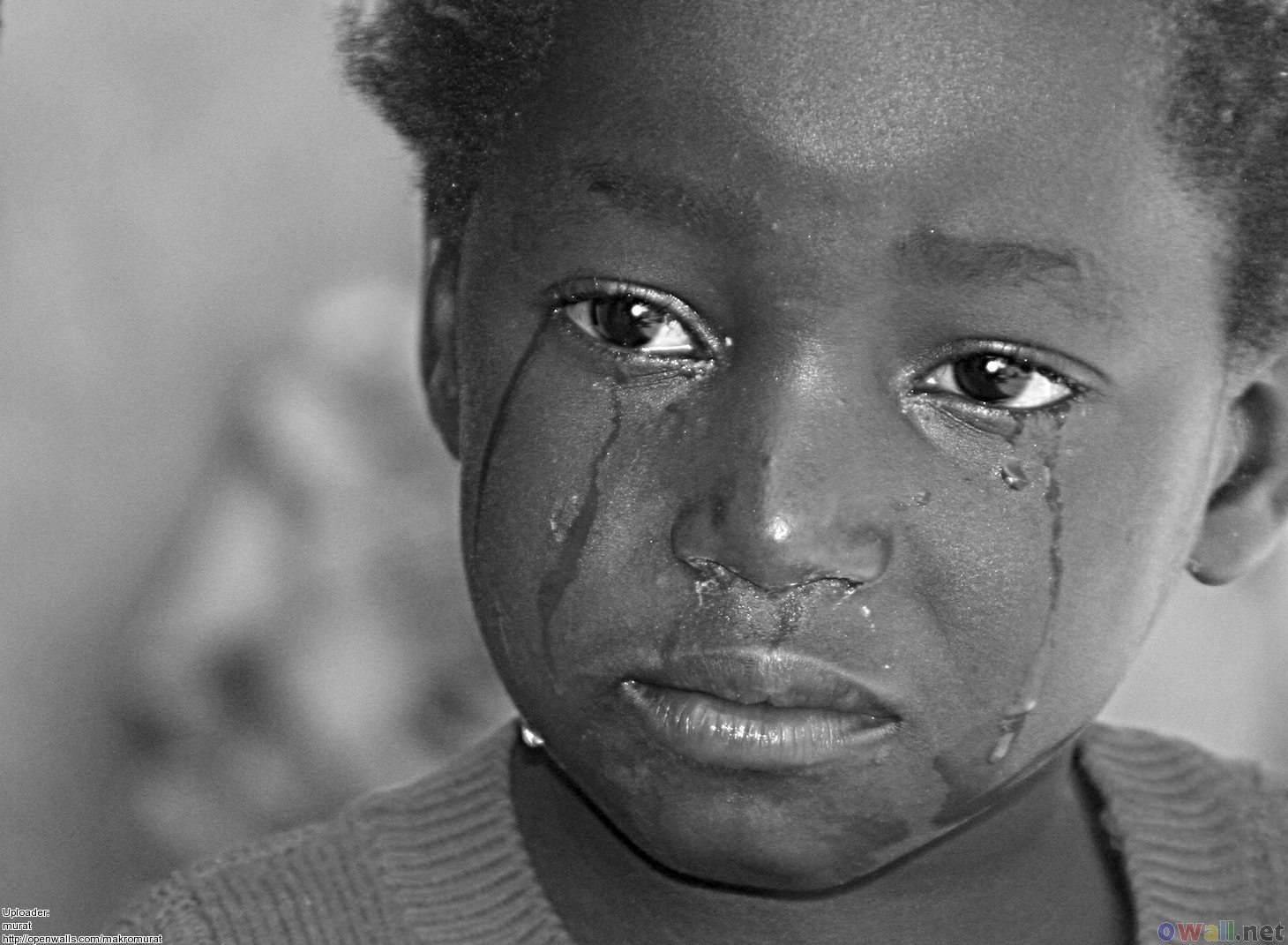
Despite the access to mental health organisations in developed countries, it may be a great concern to the lack of awareness and resources to suicide prevention many individuals experience, living in developing countries. The ‘World Health Organisation has called on member states to devise and implement national suicide prevention strategies’ (Khan, M, 2005), in hopes to spread more knowledge to the uneducated and excluded. A future solution, may be the implementation of “a suicide prevention plan aiming at reducing mental illness and help break a vicious cycle of creating new generations of children more prone to committing suicide” (Khan, M, 2005). In other words, if developed countries funded necessary money to spread and educate the understanding of suicide to the countries most affected, these individuals would have the resources to prevent the act.
Ultimately, suicide rates are encountering a dangerous threshold, where it is predicted by ‘2020 mortality rates will increase to one every twenty seconds’ (World Health Organisation, 2012). Developing countries are suffering the most from suicide rates and this is from low income, slow economies and a lack of basic resources. If the widening gap of income and social inequality prevails in developing countries, more lives will become a suicide statistic.
Never Hesitate to seek help

If you or someone you know is experiencing any suicidal thoughts or feeling of depression, please do not hesitate to source help. The following link saves lives. https://www.lifeline.org.au/
References:
Befrienders Worldwide, 2009, suicide statistics
Garcés Delgado, D. (2014). The Influence of Income Inequality on Suicides-A study across age groups in Swedish counties.
Khan, M. M. (2005). Suicide Prevention and Developing Countries. Journal of the Royal Society of Medicine, 98(10), 459–463.
World Health Organization. Mortality Database. Geneva. WHO, 2003
World Health Organization. The World Health Report 2001. Mental Health: New Understanding, New Hope. Geneva: WHO, 2001
 The Prevalence of suicide
This is a really interesting topic. I have never really thought about developing countries rates of suicide. I think this is mainly because there is little to no awareness or media coverage surrounding this issue for developing countries. The media is more centred on poverty and labour issues rather than suicide. I also found your statistic that by ‘2020 the rate of death will increase to one every 20 seconds’, quite shocking. With all the supposed improvements in mental health care, you would think the situation would be improving not getting worse. Great article and very informative.
LikeLiked by 1 person
Great to know you enjoyed the blog! The social injustice of suicide in developing countries presents a large societal issue that needs to be changed immediately. It’s unfair to be marginalised mentally due to the geographic location someone was born in, I hope this message will be more recognised in the future.
LikeLike