Youth suicides are tragic, but with older people it’s an epidemic.
Suicidal behaviours in older adults (65 years old and over) is a major public health issue in many countries. Through an array of research, suicide rates increase during older life stages and are presumed to keep rising throughout the world. “Although suicide attempts are more frequent among adolescents and young adults, elderly individuals show the highest suicide rate in almost all countries worldwide” (Conejero et al., 2018, p. 691). Unfortunately, it is the renowned stigma of growing old which frightens and terrifies people, because nobody wants to loss the ability to of independence to something unavoidable.
Why is the trend of suicide amongst older people increasing? Is it due to specific health conditions, stress factors and/ or external pressures?
“I don’t think it is very much the mental disorder but it’s the loneliness, the impediments you have in doing many things, the difficulties in feeding yourself — the difficulties in accepting a life with too many difficulties — that may play a role,” Professor De Leo says (Donoughue, 2015).
There are numerous factors that have been identified in why older people tend to take their lives. Key reasons are in things around quality of life and happiness for older people is their perceptions around how they fit socially and with their families, how society regards them, the attitudes towards older people and their ability to participate in life. As it is distinctly obvious that society treats older people differently to young individuals, excluding them from participating within their community.
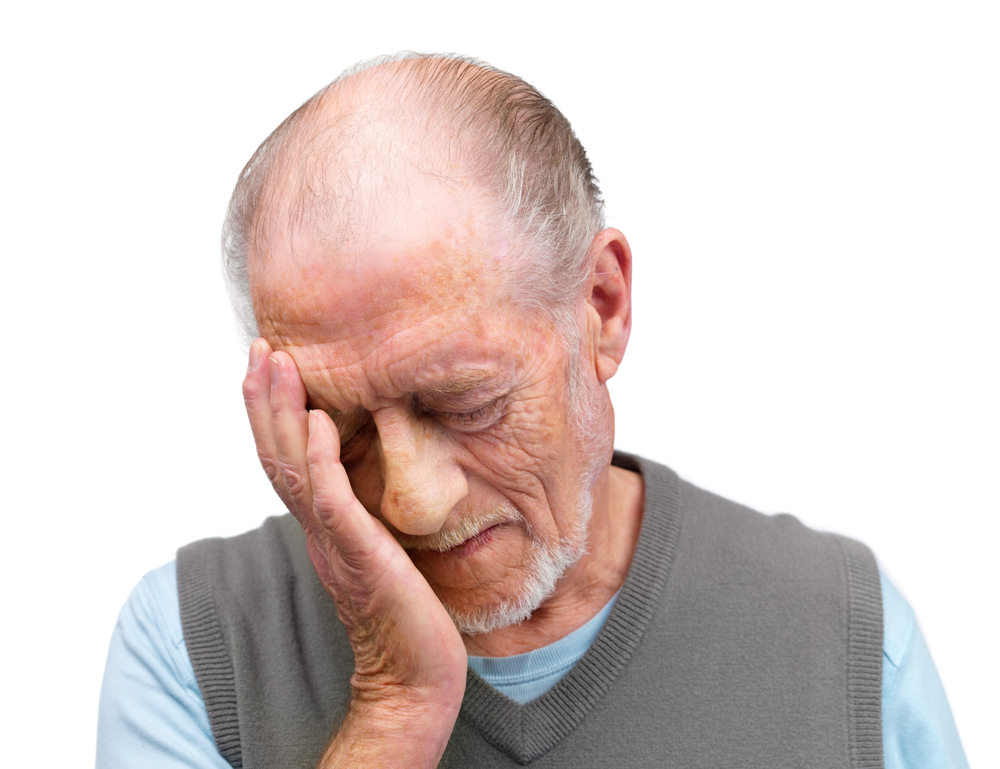
The social injustices of suicide in older individuals is becoming a serious matter in today’s society. There are plenty of resources and programmes that benefit adolescents and adults who struggle with mental health issues, but exclude individuals older in age who do not have access to such help. For what can be done to decrease the number of older people taking their lives, many experts say the problem is complex in nature. Although, there is no complexity in implementing better suicide techniques amongst the aged care system, such as:
- Changes in the access to unemployment benefits for older individuals.
- Accessibility to mental health organisations that are not via electronic devices (most elderly people do not associate with digital resources).
- The access to family support can also be a very significant prevention factor. Families directly address the issue of isolation, so that an older person, perhaps living alone, can still participate in family visits and activities and have a sense of meaning and purpose within that family (a motive to live).
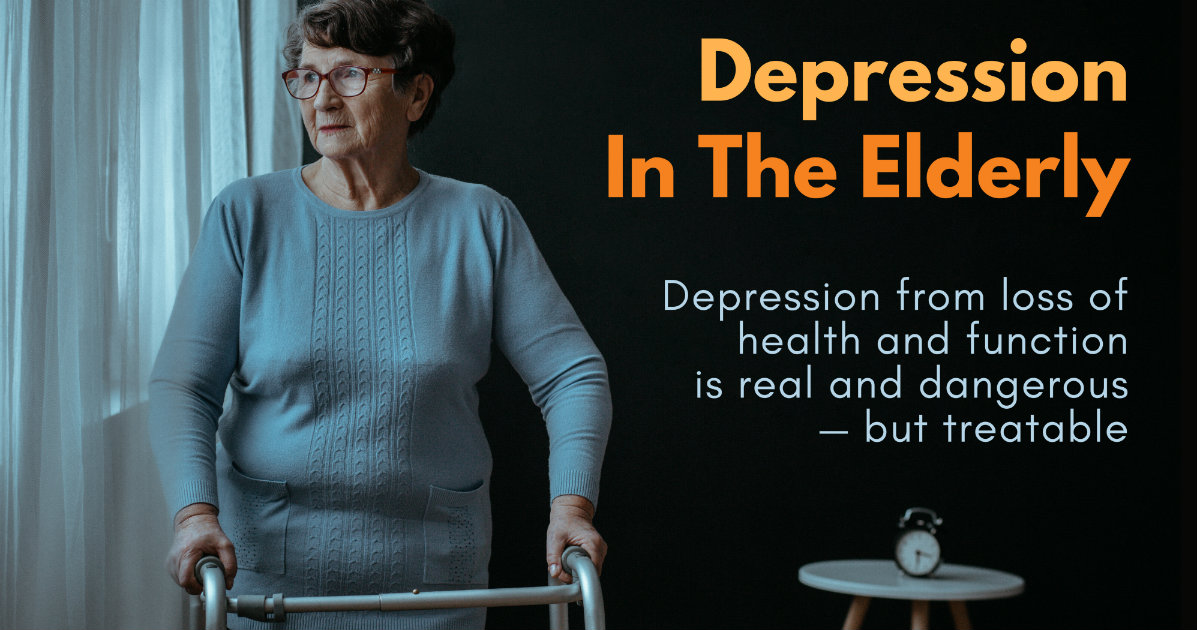
A recent Australian study, Suicide in Older Adults, found living alone was a significant independent predictor of suicide. Therefore, with more extensive help from family/ friends and access to reliable support services, the elderly will feel more recognised and respected in their community and have a sense of belonging to their loved ones- giving them more reason to live.
explaining the inequalities for older people to turn suicidal.
Undoubtedly, we need to invest and put more effort into elderly suicide preventions, as the social inequalities that marginalise older from younger people in accessing mental health resources, is disrespectful. As a society, we are still doing too little to have a significant social, cultural and political impact on suicides, and we are doing even less for the elderly as we continue to consider them less important than young people.
References:
Conejero, I., Olié, E., Courtet, P., & Calati, R. (2018). Suicide in older adults: current perspectives. Clinical interventions in aging, 13, 691.
 The Prevalence of suicide