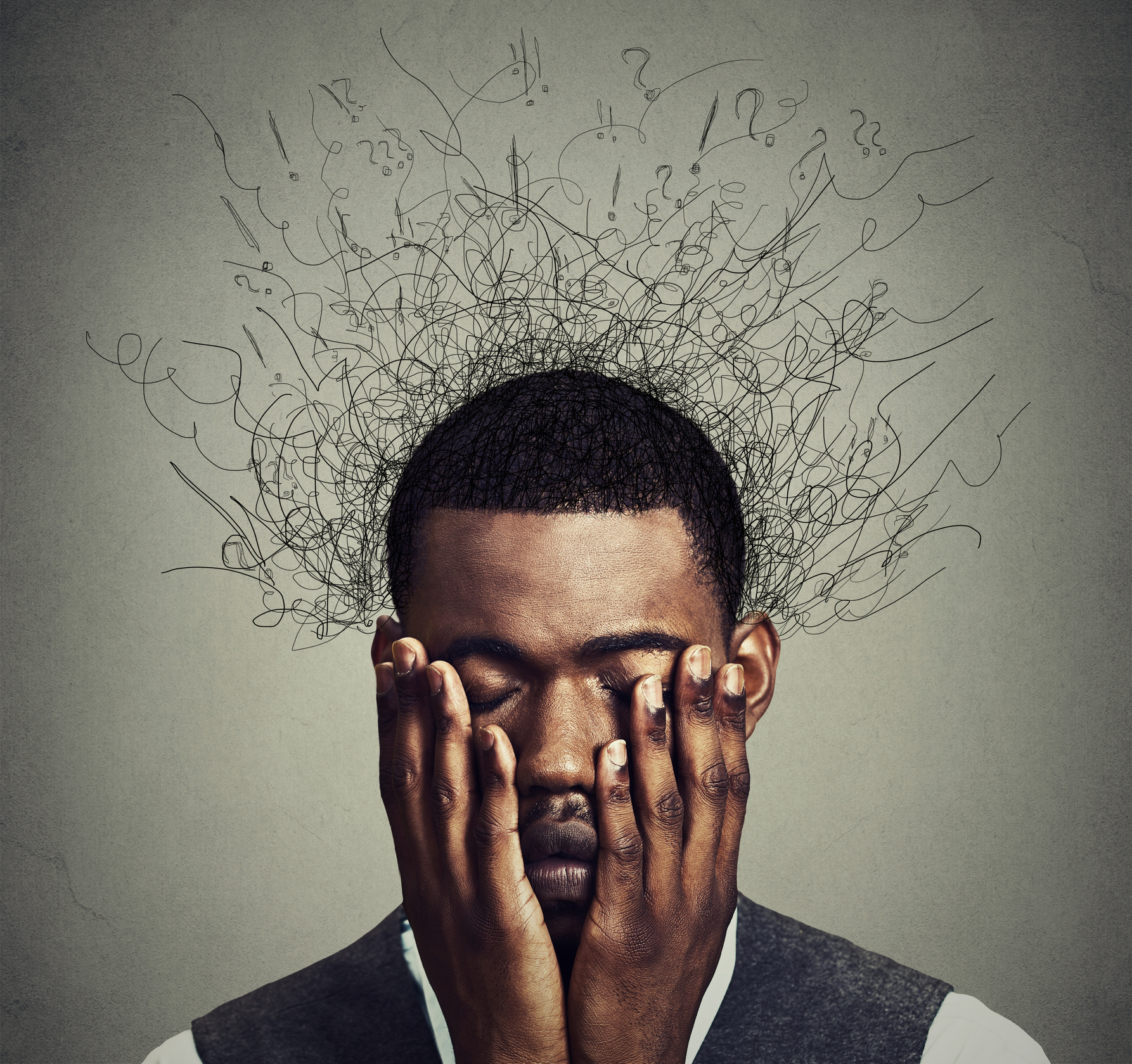
‘Suicide is now the second most common cause of death in males’ (Hawton, 1998 p. 119). ‘The rates are distinctly higher and increasing in men than in women, which applies in almost every country around the world’ (Mann, et al. 2005 p. 114). From extensive data analysis it is quite clear to notice a large gap within gender suicides. So, what is our society doing to create such an unequal experience for one gender to feel the need to end their lives? An exploration through environmental influences and male stereotyping will identify why men have higher statistics of suicide and the need to implement social justice practices to close the gap.
As a society are we socialising our sons, brothers and husbands to die?
Although there are many possible reasons to why thousands of men end their lives, Hawton (1998) explains it is the explanation of social changes and the difficulty in seeking help without judgment that increases the rates male suicide. Discussed below will be two significant factors that endorse men to end their lives, however both topics explored are fore largely speculative.
Alcohol and drug abuse
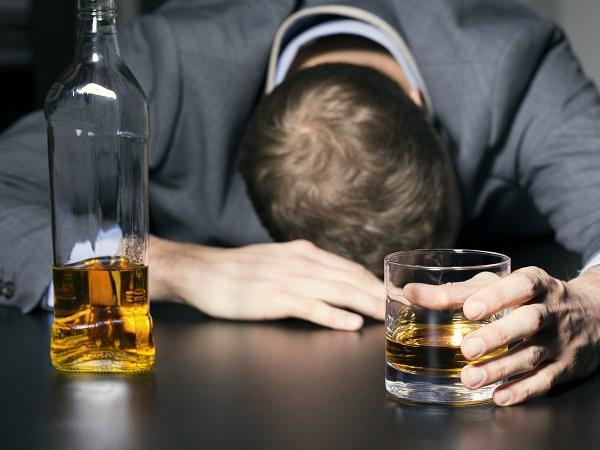
It is globally recognised that the consumption of alcohol and drugs is associated with successful suicide affliction. “Substance consumption is a gender-role-appropriate behaviour for men, a symbolic practice for demonstrating masculinity” (Möller-Leimkühler, 2002 p. 4). However, it is the same substances that present vulnerability, weakness and insecurity within a man. “In psychological autopsy studies of series of young suicides, substance abuse seems to be a more important factor in males” (Hawton, 1998 p. 121). The alcoholic and drug abusing “fosters impulsive behaviours and facilitates suicide, it may lead to a reduction of self-esteem due to failures in social roles and relationships and can result in isolation and loss of support, which increases the risk of suicide” (Möller-Leimkühler, 2002 p. 4). The loss of self-esteem and disconnections from supportive networks (family/ friends) deems to be an significant outcome of substance usage. Without the prevalence of alcohol and drugs it may subside the male community from feeling isolated and lonely, but ultimately decrease rates of suicide. The social practice of male movements and organisations (e.g. black dog Institution) will create safe learning spaces, friendships, connections and most importantly a sense of belonging. This will have a profound impact on decreasing suicide rates and will generate platforms for other men feeling disconnectedness and suicidal. Overall, it is socially unfair that men succumb to substance inflicting because of societal cues which affiliate that to be masculine.
Reluctant to seek help
“Women seek help – men die” (Angst, Ernst 1990)
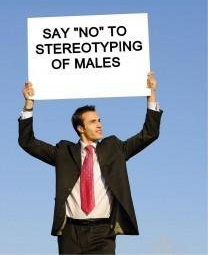
“There is general agreement that reluctance to seeking help is common in males, especially young men” (Hawton, 1998 p. 122). “Popular stereotypes portray men reluctantly asking for directions when they are lost, having difficulty sharing vulnerable feelings with others, and avoiding seeking needed help from professionals” (Addis et al. 2003, p. 5). “75% of those who sought professional help in an institution for suicide prevention were female, and 75% of those who committed suicide in the same year were male” (Möller-Leimkühler, 2002 p. 3). Thus, presenting a clear indication that men are embarrassed to seek help because of the societal expectation of looking weak and feminine. “The male gender-role in Western cultures implies they do not act upon anxiety, problems and burdens” (Möller-Leimkühler, 2002 p. 3), because the masculine conformity does not allow help seeking behaviour, even when inevitably needed. Unfortunately, males feel the need to present a strong and resilient front to succeed to the societal norms, but this is presented a huge gap within suicide inequalities.
Below is an insightful video which highlights the internal suppression of male emotions and why conforming to masculine stereotypes increases the likelihood of suicide.
Unfortunately, “there is no doubt that traditional helping services are under-utilised by men globally who experience a wide range of mental health problems. It is also likely that gender roles play a vital part in discouraging men to help seeking” (Addis et al. 2003, p. 12) and increases the rates of suicides. Injustice is present in the social construct of masculinity preventing men from getting the required help and the inequalities of substance abusing is adding to the suffrage of men. It takes real strength to open up and talk about your feelings, which I believe that is the true meaning of manning up.
References:
Addis, M. E., & Mahalik, J. R. (2003). Men, masculinity, and the contexts of help seeking. American psychologist, 58(1), 5.
Hawton, K. (1998). Why has suicide increased in young males?. Crisis, 19(3), 119-124.
Mann, J. J., Apter, A., Bertolote, J., Beautrais, A., Currier, D., Haas, A., … & Mehlum, L. (2005). Suicide prevention strategies: a systematic review. Jama, 294(16), 2064-2074.
Möller-Leimkühler, A. M. (2002). Barriers to help-seeking by men: a review of sociocultural and clinical literature with particular reference to depression. Journal of affective disorders, 71(1-3), 1-9.
 The Prevalence of suicide
I agree that society likes to pretend that males don’t suffer from mental health issues, even when it is such a prevalent issue among men. It is obvious that you took the time to do in-depth research into the issue. Although, the quote about being the ‘most common cause of death in males’ is from 1998 and there is no reference list so I was unable to look further into the article and wonder if it would still be relevant for today? The articles used show an insight into the mental health struggles males face in society. However, it would have been nice to see more recent studies used and to see less quotes used so I can see more of your opinion in the blog. This blog was very insightful that outlines the seriousness of the issue of stigmatisation of male mental health and suicide.
LikeLike